

Bekijk hier onze nieuwste productcatalogi:
Out with the old, in with the new!
Eindelijk is het zover! Met trots laten wij weten dat wij een nieuw hoofdstuk in onze geschiedenis gaan schrijven. De afgelopen maanden zijn wij samen met collega’s, klanten en partners diep in onze kern gedoken en hebben wij gereflecteerd op onze essentie. In een constant veranderende wereld zijn wij vastbesloten om te blijven evolueren en innoveren voor een positieve impact op de wereld. Dit heeft geleid tot een aanscherping van onze strategie. De rebranding weerspiegelt dit.
Inspiratie
-
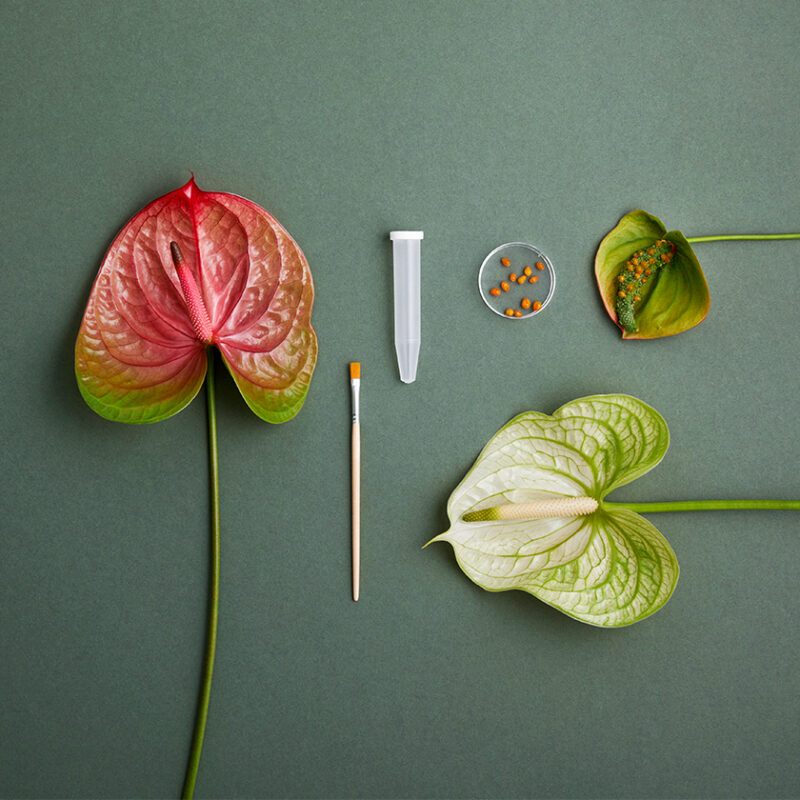 Anthurium
VEREDELING
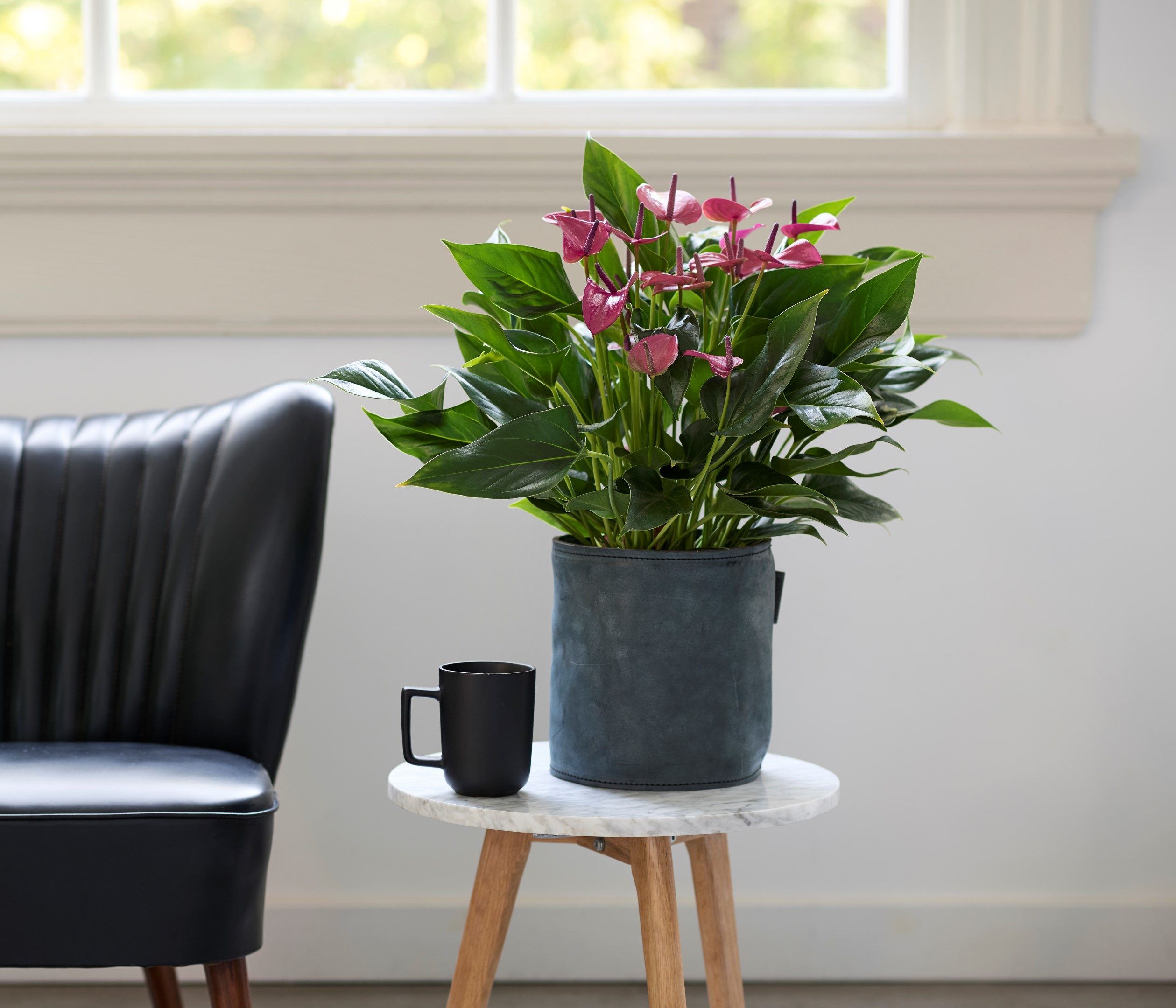
Alles begint met een eerste idee. Zo ook de ontwikkeling van een nieuwe anthurium. Anthura creëert rassen met unieke eigenschappen en grote marktkansen.
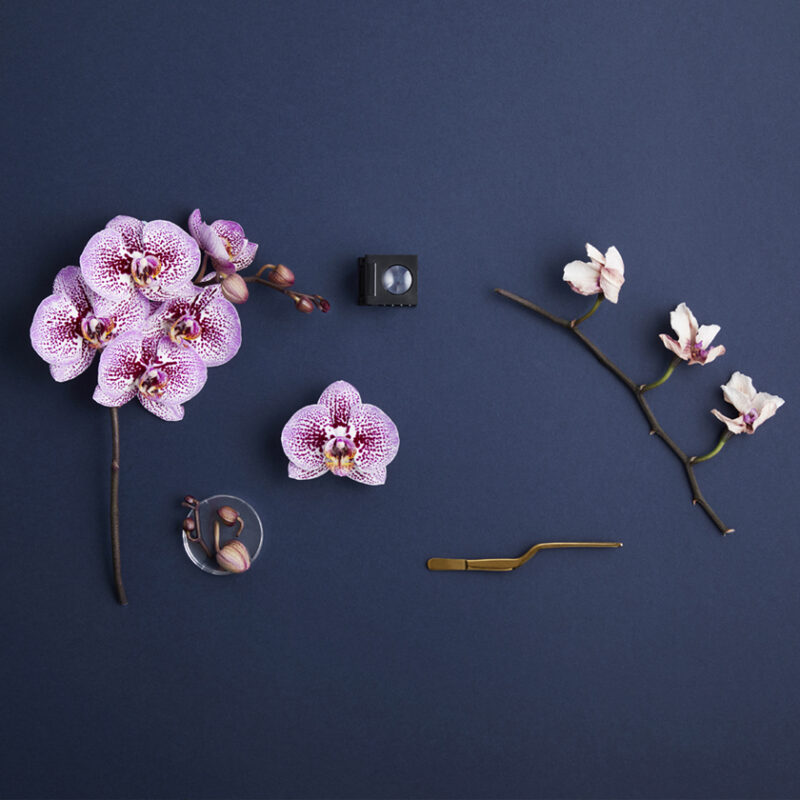
OrchideeVEREDELING
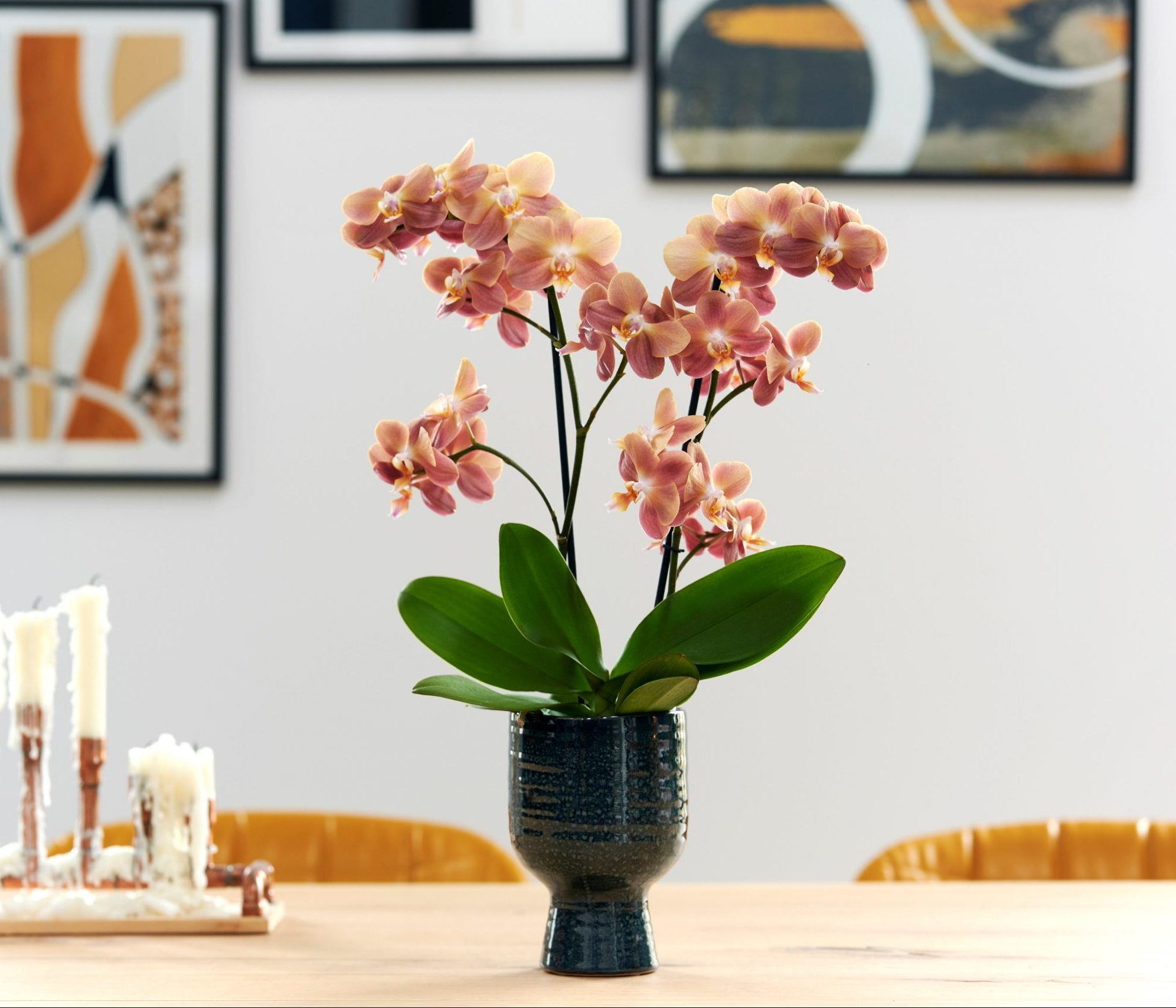
De kunst van het veredelen is de toekomst vormgeven. Nieuwe orchideeën creëren waarover men nu alleen nog maar kan dromen.
Waar natuur en wetenschap samenkomen
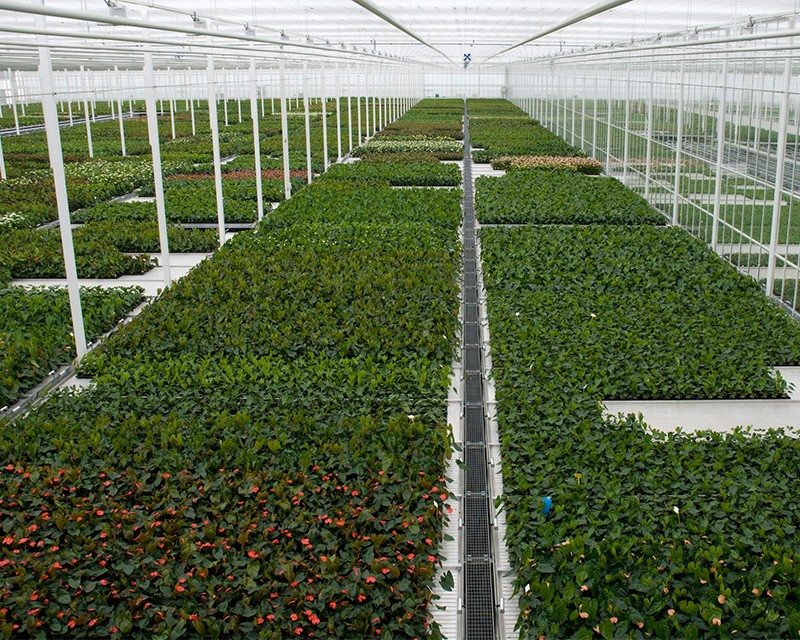
AnthuriumGezonde groei
In een state of art-kas van 12 hectare zorgen een optimaal klimaat en uitrusting voor een gezonde groei van de jonge anthuriumplanten. Het resultaat: een efficiënt teeltproces en planten die voldoen aan de strengste kwaliteitseisen.
 Orchidee
Gezonde groei
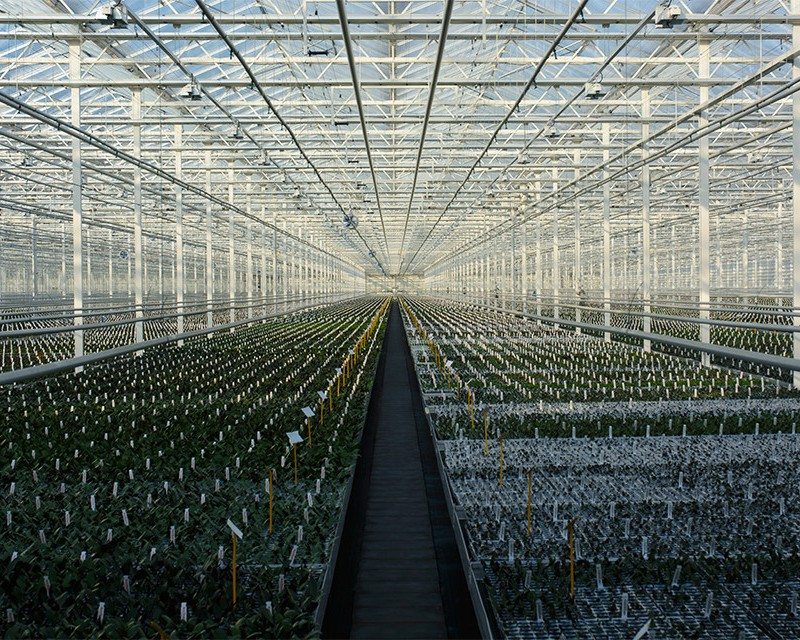
Het productiebedrijf in Duitsland is 7,5 hectare groot en volledig gericht op een efficiënte productie van phalaenopsis jong plantmateriaal.
Welkom in de showroom
Bekijk het uitgebreide orchideeën en anthurium assortiment en beoordeel de selectie van onze prototypes; uw rassen van de toekomst.